
Rajballabh Sen
রাজা রাজবল্লভ সেন
18th-century Dewan of Dhaka and landholder of Rajnagar in Bikrampur
- Born
- c. 1707, Beel Deonia, Bikrampur
- Died
- July 1763
Bikrampur connection
Rajballabh was born in the village of Beel Deonia in Bikrampur, and his seat was Rajnagar in southern Bikrampur. Rajnagar was lost to the Kirtinasha river; its former site lies near present-day Zajira, Shariatpur district.
Rajballabh Sen (c. 1707 to 1763), known as Raja Rajballabh, was a revenue official and landholder from Bikrampur who rose to become Dewan of Dhaka under the Nawabs of Bengal and played a part in the politics around the Battle of Plassey.
Early life and career
He was born in about 1707 in the village of Beel Deonia in Bikrampur, the son of Krishnajiban Sen, who had himself worked as a revenue clerk. Rajballabh began his career around 1734 as a muharrir, or clerk, in the revenue administration. His knowledge of Persian and his skill in revenue affairs helped him rise, and in about 1756 he became Dewan of Dhaka, receiving the title of Maharaja.
Politics of Murshidabad
Rajballabh supported Ghaseti Begum in her attempt to place Shaukat Jang on the throne instead of Siraj-ud-Daulah. Siraj suspected him of disloyalty and of misusing revenue, and sent men to Rajnagar. Rajballabh's son Krishnadas had already fled to Calcutta with the family's wealth and received shelter from the English governor Roger Drake, an episode that added to tensions between the Nawab and the English East India Company. After Plassey in 1757 Rajballabh drew closer to the English, and around 1760 he served as deputy governor in Bihar.
Death
In July 1763 Nawab Mir Qasim, suspecting him of treachery, ordered his execution. Rajballabh was drowned, and sources disagree on whether his eldest son was killed with him.
Rajnagar
His estate centred on Rajnagar in southern Bikrampur, which became known for its palaces, tanks and temples. Among the buildings described by later visitors were the Ekushratna, a gateway with twenty one spires built by his son Raja Gopalkrishna, and the Navaratna and Saptadasharatna temples. Rajnagar was destroyed by the Kirtinasha channel of the Padma in the 19th century and survives today only in accounts and old descriptions.
The photo shows a boat on the Padma. Rajnagar, his seat in southern Bikrampur, was lost to the Kirtinasha, a channel of the Padma. No portrait of him survives. Photo: joiseyshowaa / Wikimedia Commons, CC BY-SA 2.0
Sources
- en.wikipedia.org/wiki/Rajballabh_Sen
- Image: commons.wikimedia.org/wiki/File:মহারাজ_রাজবল্লভ_সেন_ও_তৎসমকালবর্ত্তী_বাঙ্গলার_ইতিহাসের_স্থূল_স্থূল_বিবরণ.djvu (Rasiklal Gupta, Public domain, via Wikimedia Commons)
More tributes
See all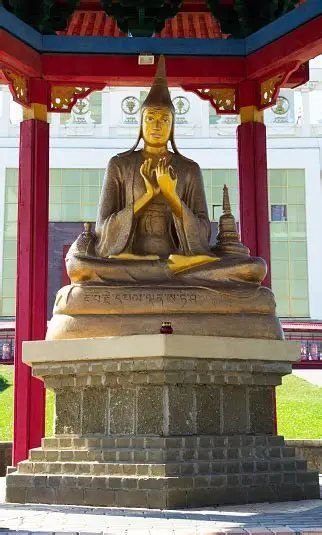 Atisha Dipankar Srijnana982 – 1054Buddhist scholar, abbot of Vikramashila and teacher of Buddhism in TibetRead tribute
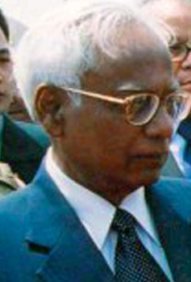 Iajuddin Ahmed1931 – 2012Soil scientist, academic and President of Bangladesh from 2002 to 2009Read tribute
 Muhammad Hamidullah Khan1938 – 2011Air force officer, commander of Sector 11 in the 1971 Liberation War and politicianRead tribute
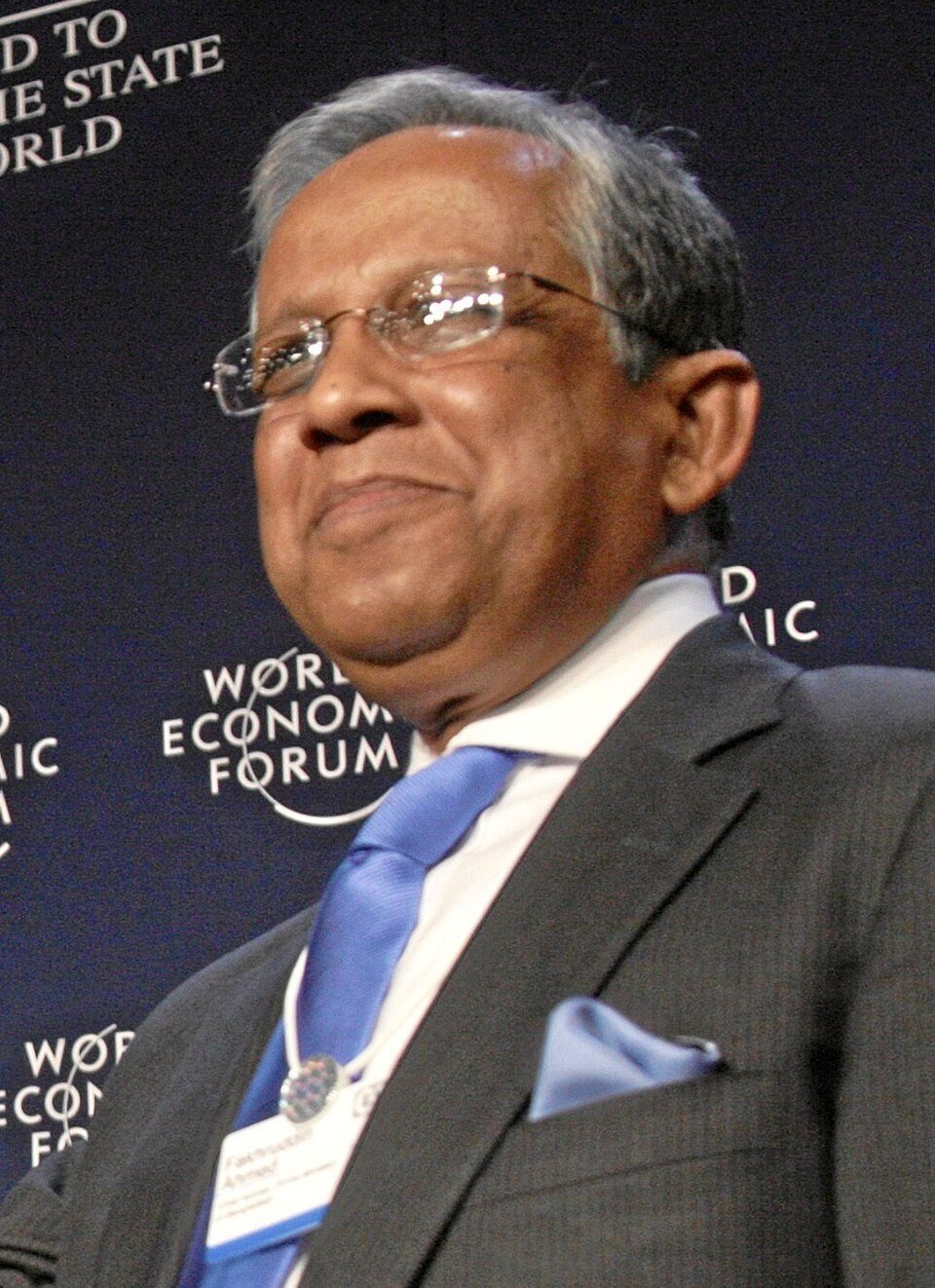 Fakhruddin Ahmed1940Economist, former Governor of Bangladesh Bank and Chief Adviser of BangladeshRead tribute