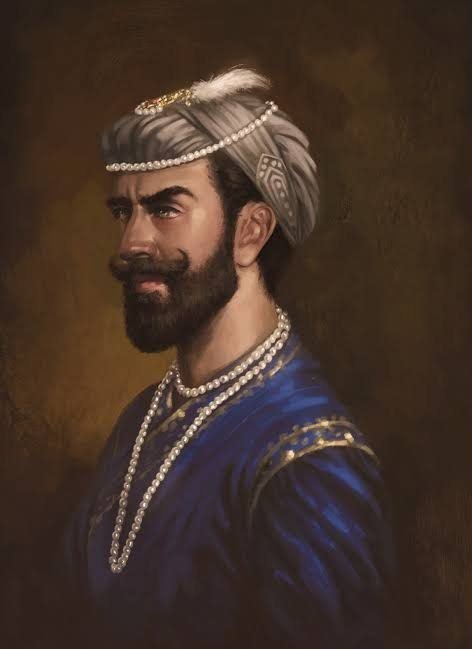
Kedar Rai
কেদার রায়
Baro-Bhuiyan chief of Bikrampur who resisted Mughal expansion in Bengal
- Born
- c. 1561, Bikrampur
- Died
- 1603, near Bikrampur
Bikrampur connection
Kedar Rai ruled Bikrampur from his seat at Sripur in the southern part of the historic region. Because the Padma later shifted, much of the area once linked with him now lies in Shariatpur district rather than present-day Munshiganj.
Kedar Rai (died 1603) was a landholding chief of Bikrampur and one of the best known of the Baro-Bhuiyans, the local rulers of eastern Bengal who resisted Mughal control in the late 16th and early 17th centuries.
Background
Kedar Rai belonged to a Kayastha family that held Bikrampur. He is usually named together with Chand Rai, described in most accounts as his brother, and the two are remembered as the zamindars of the area. Their seat was at Sripur, on the rivers of southern Bikrampur, and a fort associated with them stood in what is now Shariatpur district. The details of his family and early life are not well documented, and later genealogies disagree.
Wars with the Mughals and Arakan
In the decades after Akbar's conquest of Bengal, the Baro-Bhuiyans fought to keep their autonomy. Kedar Rai controlled a river fleet and employed Portuguese adventurers, among them Domingo Carvalho, who held the island of Sandwip in his name for a time. His relations with other Bhuiyans, including Isa Khan's family, and with the kingdom of Arakan shifted between alliance and conflict. In February 1602 the Mughal governor Man Singh, based at Dhaka, sent forces across the Ichamati river against Musa Khan and Kedar Rai.
Death
In 1603 Mughal forces defeated Kedar Rai and his allies in a battle near Bikrampur. He was wounded and captured, and died of his wounds soon after. Bengali accounts describe a long fight and give different versions of how he was fatally injured. His death ended the independent power of Bikrampur's rulers.
Legacy
Kedar Rai became a hero figure in Bengali popular history, ballads and plays. Place names such as Kedarpur in Naria, Shariatpur, are locally associated with him.
Sources
- en.wikipedia.org/wiki/Kedar_Rai
- en.wikipedia.org/wiki/Mughal%E2%80%93Mrauk_U_Wars
- en.wikipedia.org/wiki/Kedar_Ray
- en.wikipedia.org/wiki/Shariatpur_District
- en.wikipedia.org/wiki/Naria_Upazila
- Image: commons.wikimedia.org/wiki/File:কেদার_রায়_-_যোগেন্দ্রনাথ_গুপ্ত_(১৯১৪).pdf (Jogendranath Gupta, Public domain, via Wikimedia Commons)
More tributes
See all Atisha Dipankar Srijnana982 – 1054Buddhist scholar, abbot of Vikramashila and teacher of Buddhism in TibetRead tribute
 Iajuddin Ahmed1931 – 2012Soil scientist, academic and President of Bangladesh from 2002 to 2009Read tribute
 Muhammad Hamidullah Khan1938 – 2011Air force officer, commander of Sector 11 in the 1971 Liberation War and politicianRead tribute
 Fakhruddin Ahmed1940Economist, former Governor of Bangladesh Bank and Chief Adviser of BangladeshRead tribute