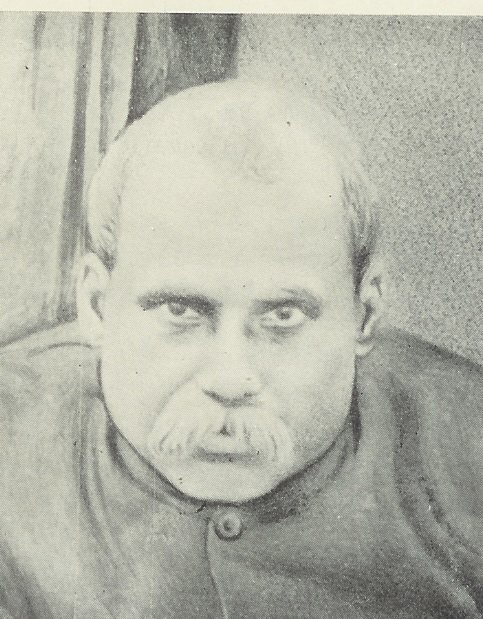
Dwarkanath Ganguly
দ্বারকানাথ গঙ্গোপাধ্যায়
Social reformer, journalist and campaigner for women's rights and education
- Born
- 20 April 1844, Magurkhanda, Bikrampur
- Died
- 27 June 1898, Calcutta
Bikrampur connection
Dwarkanath Ganguly was born in the village of Magurkhanda in Bikrampur, in present-day Munshiganj District.
Dwarkanath Ganguly (1844 to 1898) was a Bengali social reformer, journalist and Brahmo leader who campaigned for women's education and rights and exposed the treatment of workers on the tea plantations of Assam.
Early life
He was born on 20 April 1844 in the village of Magurkhanda in Bikrampur. His mother, Udaytara, is remembered for instilling in him a strong sense of truth and justice. After village schooling he studied English and was influenced by the writings of the reformer Akshay Kumar Datta, especially on the position of women. He did not complete the entrance examination and became a teacher, working for a time at a village school in Lonsing.
Abalabandhab and women's education
In May 1869 he began publishing Abalabandhab (Friend of the Weak), a journal devoted to the cause of women, and the name became his popular title. He later moved to Calcutta and joined the Brahmo reform movement. He took a leading part in the Hindu Mahila Vidyalaya and in founding the Banga Mahila Vidyalaya in 1876, which merged with Bethune School in 1878. He worked to open university entrance examinations and medical education to women.
Public life
Ganguly was active in the Sadharan Brahmo Samaj, formed in 1878, and served several terms as its secretary. He took part in the Indian Association and later in the Indian National Congress, where he argued for the representation of women. He travelled to Assam to investigate conditions on the tea gardens and published reports on the abuse of indentured workers in the weekly Sanjibani, which helped build public pressure for reform.
Family and death
In 1883 he married Kadambini Bose, one of the first women graduates in India and later one of its first women doctors. He died in Calcutta on 27 June 1898.
Sources
- en.wikipedia.org/wiki/Dwarkanath_Ganguly
- bn.wikipedia.org/wiki/%E0%A6%A6%E0%A7%8D%E0%A6%AC%E0%A6%BE%E0%A6%B0%E0%A6%95%E0%A6%BE%E0%A6%A8%E0%A6%BE%E0%A6%A5_%E0%A6%97%E0%A6%99%E0%A7%8D%E0%A6%97%E0%A7%8B%E0%A6%AA%E0%A6%BE%E0%A6%A7%E0%A7%8D%E0%A6%AF%E0%A6%BE%E0%A6%AF%E0%A6%BC
- ebanglalibrary.com/180467/%E0%A6%A6%E0%A7%8D%E0%A6%AC%E0%A6%BE%E0%A6%B0%E0%A6%95%E0%A6%BE%E0%A6%A8%E0%A6%BE%E0%A6%A5-%E0%A6%97%E0%A6%99%E0%A7%8D%E0%A6%97%E0%A7%8B%E0%A6%AA%E0%A6%BE%E0%A6%A7%E0%A7%8D%E0%A6%AF%E0%A6%BE%E0%A7%9F/
- Photo: commons.wikimedia.org/wiki/File:Dwarkanath_Ganguly.jpg (Wikimedia Commons, Public domain)
More tributes
See all Brojen Das1927 – 1998Swimmer, first swimmer from South Asia to cross the English ChannelRead tribute
 Shyamakanta Bandyopadhyay1858 – 1918Wrestler, circus performer known for fighting tigers, later the monk Soham SwamiRead tribute
 Durga Mohan Das1841 – 1897Lawyer, Brahmo Samaj leader and social reformerRead tribute