Kabir-Lalon Music Festival Ends Nationwide Tour in Sreemangal
The Kabir-Lalon Philosophical Music Festival, which toured all eight divisions from 11 September, closed in Sreemangal with tea garden artists on stage.
A travelling celebration of the mystic songs of Kabir and Lalon has completed its journey across Bangladesh, closing on 30 October with a lively evening in Sreemangal in Moulvibazar district.
The Kabir-Lalon Philosophical Music Festival opened on 11 September at the Bangladesh Shilpakala Academy in Dhaka and then toured all eight divisions of the country. It was organised by Lalon Bishwashangha with support from the Ministry of Cultural Affairs. The final session ran from 6pm to 10pm at the Zila Parishad Multipurpose Auditorium in Sreemangal and was dedicated to the Sufi thinker Sadar Uddin Ahmad Chishti, author of “Akhanda Quran Darshan.”
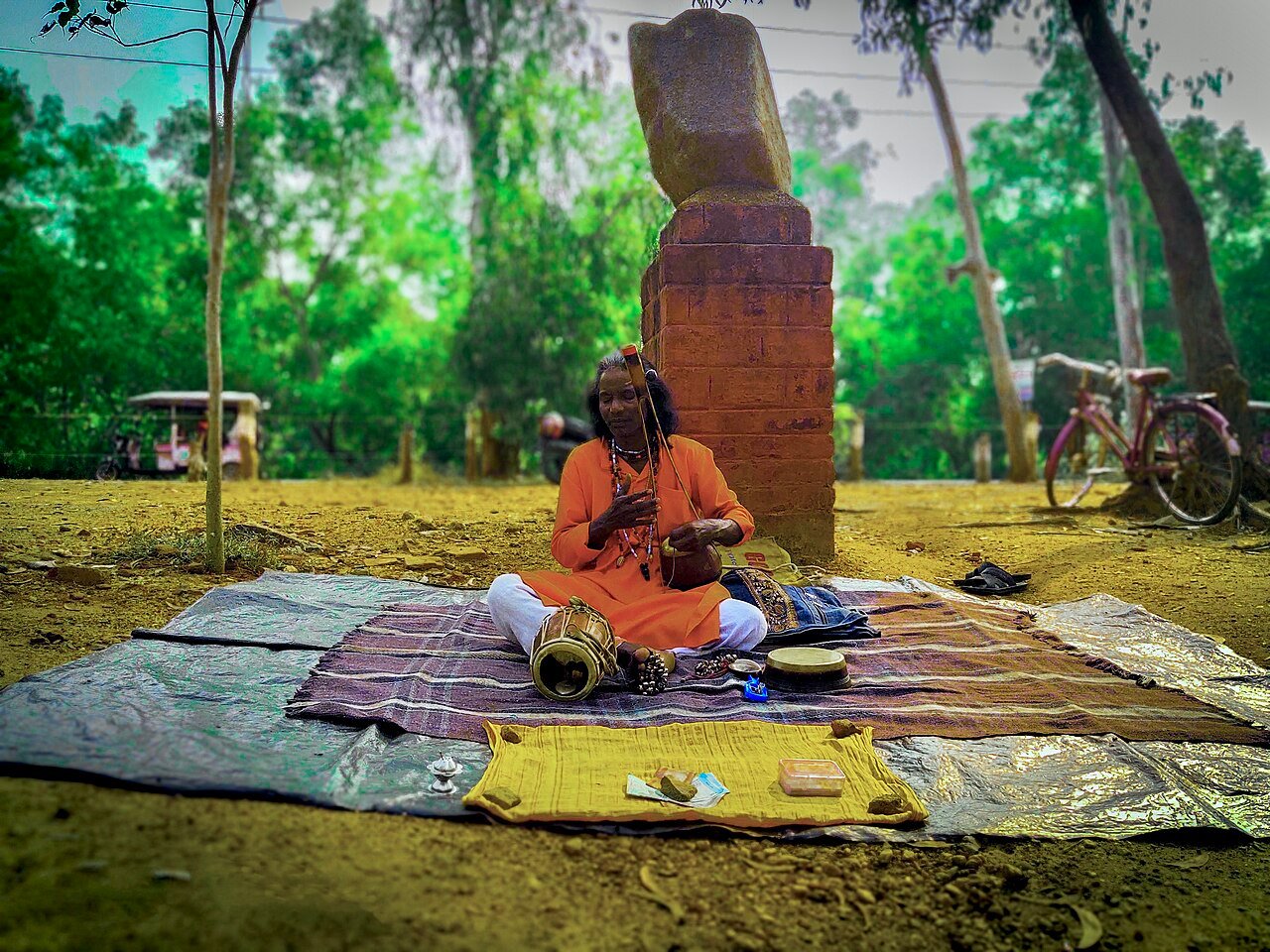
The closing programme brought together two strands of a shared devotional heritage. Artists of the Kabir-Lalon Musical Mission travelled from Dhaka to sing the songs of the medieval poet-saint Kabir and the Bengali mystic Lalon. They were joined by Kabir-panthi and Ravidas-panthi performers, many of whom work in the tea gardens of greater Sylhet, who presented their own traditional songs and dances.
Educationist, author and researcher Professor Nripendra Lal Das inaugurated the event and called for the festival to be held every year. He said a concerted cultural initiative was needed to reconnect young people with their heritage and historical roots.
Mujibur Rahman Chowdhury, the lawmaker for Moulvibazar-4, attended as chief guest, and Aniruddha Das, Assistant High Commissioner of India in Sylhet, was special guest. Abdel Mannan, chief executive of Lalon Bishwashangha, chaired the event.
The festival's message is a simple one. Both Kabir and Lalon used plain language and music to speak about humanity, love and the search for truth beyond social divisions. By carrying their songs from the capital to every division, and by placing tea garden communities on the same stage as touring artists, the organisers offered audiences a living reminder of the region's long tradition of spiritual song.
For Bengali audiences at home and abroad, the festival is another sign that the mystic and Sufi music traditions of Bengal continue to find new listeners, and that these centuries-old songs still have much to say today.
More stories