From Jamdani to rickshaw art: Bangladesh's six traditions on UNESCO's heritage list
Baul songs, Jamdani weaving, the Pohela Boishakh procession, Shital Pati mats, Dhaka's rickshaw painting and Tangail saree weaving are now on UNESCO's Representative List of the Intangible Cultural Heritage of Humanity.
Bangladesh now has six elements on UNESCO's Representative List of the Intangible Cultural Heritage of Humanity. Unlike buildings or ruins, these are living practices: songs, crafts and public celebrations that are passed from one generation to the next. Each inscription commits the state to help keep the practice alive.
The six inscriptions
- Baul songs (2008): The mystic song tradition of the Bauls, which draws on Sufi and Vaishnava thought, was first proclaimed a Masterpiece of the Oral and Intangible Heritage of Humanity in 2005 and moved onto the Representative List in 2008.
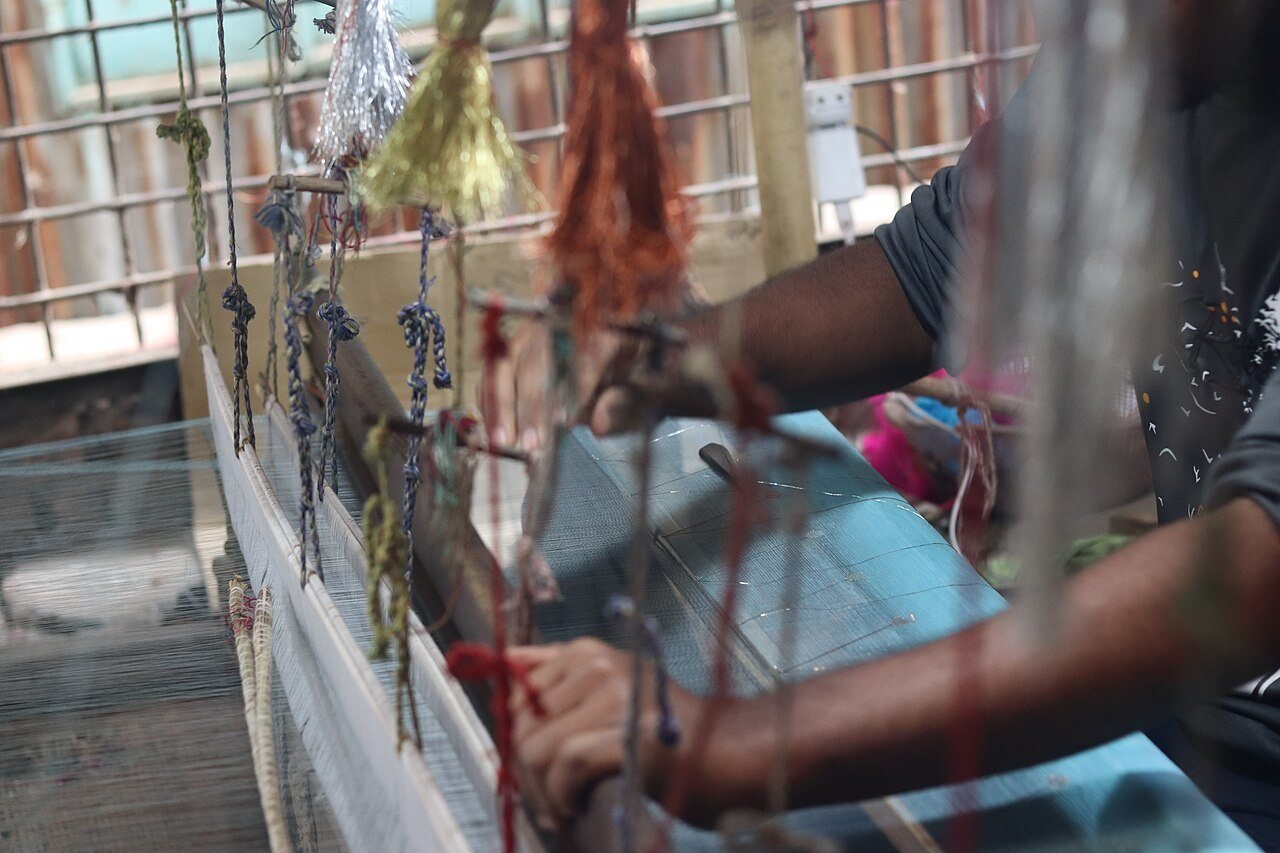
- Jamdani weaving (2013): Jamdani is a fine cotton fabric in which weavers add patterns by hand with a supplementary weft, using thin bamboo sticks. Its main centres are along the Shitalakshya river near Rupganj and Sonargaon in Narayanganj, close to Bikrampur. In 2016 the Jamdani sari became the first product to receive geographical indication protection in Bangladesh.
- The Pohela Boishakh procession (2016): The New Year procession began in Jessore in 1986 and was taken up by the Faculty of Fine Arts at the University of Dhaka in 1989. It was inscribed in November 2016 under the name Mangal Shobhajatra and has been held under different names in recent years.
- Shital Pati (2017): These cool mats are woven from strips of murta, a green cane. UNESCO's listing names the Sylhet region, where women lead most of the weaving and families share the work of gathering and preparing the cane.
- Rickshaws and rickshaw painting in Dhaka (2023): Painted panels on rickshaws, with flowers, birds, film stars and scenes from daily life, became common from the late 1940s. The art is made mostly by self-taught painters who learn as apprentices.
- Tangail saree weaving (2025): The traditional handloom saree of Tangail, long associated with the Basak weaving community, is the most recent addition.
Why the list matters
Inscription does not bring direct funding, but it gives the craft public standing, encourages training and can help weavers and artists find buyers. It can also sharpen debates over ownership. In January 2024 the Indian state of West Bengal obtained a geographical indication for a "Tangail Saree of Bengal", which drew objections from Bangladesh, where the saree takes its name from Tangail district.
For Bikrampur families at home and abroad, several of these traditions are part of everyday life: a Jamdani for a wedding, a Shital Pati on a summer floor, or a painted rickshaw in the lanes of old Dhaka. Keeping them alive depends less on lists than on whether young people can earn a living from the work.
Sources
More stories