BAEC Scientist Named in World's Top 2% for Fourth Year
Dr M Khalid Hossain of the Bangladesh Atomic Energy Commission features in the global top 2% scientists list for the fourth year running.
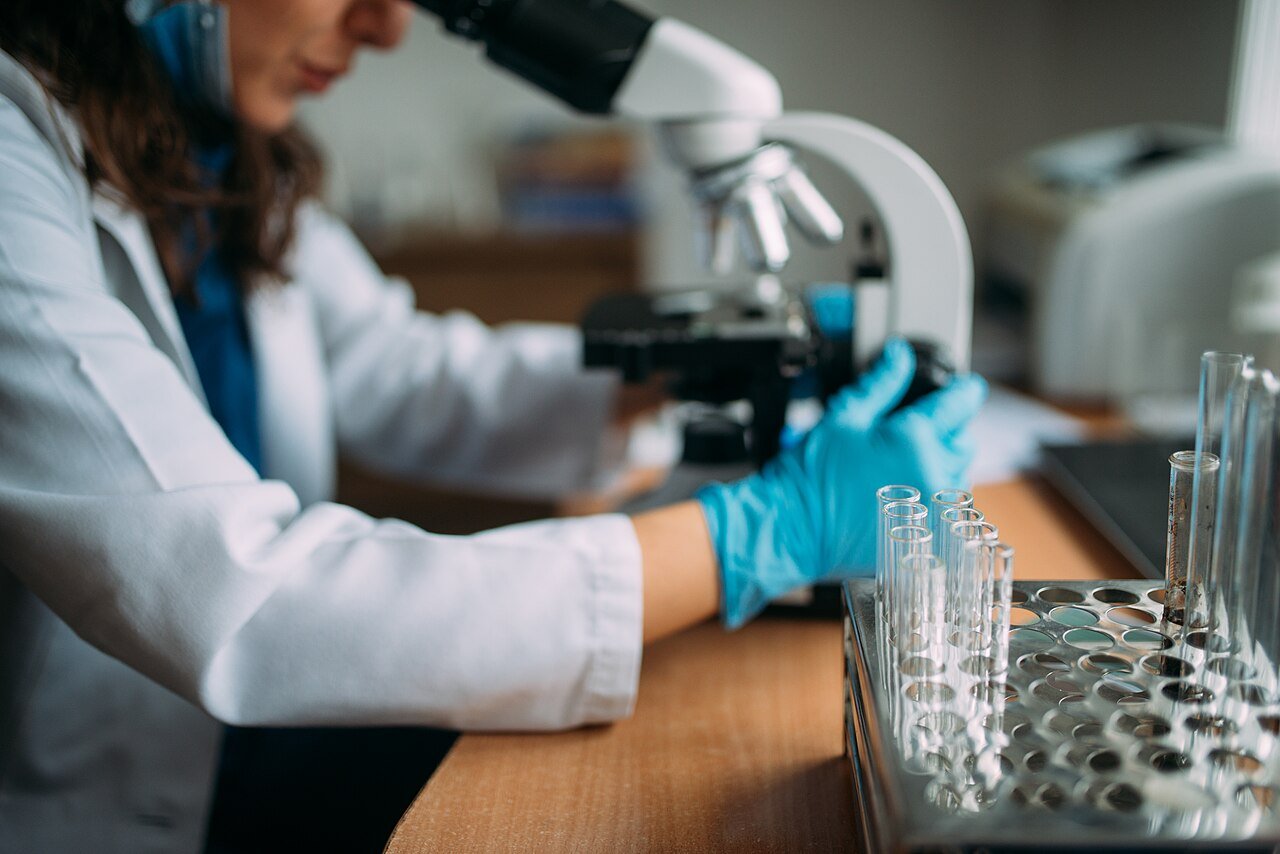
Dr M Khalid Hossain, a senior scientific officer at the Institute of Electronics of the Bangladesh Atomic Energy Commission (BAEC), has been named among the world's top 2 percent of scientists for the fourth consecutive year.
The list, published on 8 October 2026 by Stanford University together with the academic publisher Elsevier, ranks researchers worldwide across 20 scientific fields and 174 sub-fields, based on publications indexed in the Scopus database. It measures impact in two ways: across a researcher's whole career and within a single year.
In the career-long category, Dr Hossain ranked 55th among the 105 Bangladeshi researchers included so far. In the single-year category he did even better, placing fifth nationally among 347 Bangladeshi scientists on the list.
His research record explains the recognition. He has written 11 science books and more than 350 peer-reviewed articles, which together have drawn over 20,000 citations, giving him an h-index of 75. His work covers nuclear energy materials, solar cells, fuel cells, nanomaterials, ceramics, hydrogen energy materials, electrochemical devices and proton-conducting oxides, all fields closely tied to the global search for cleaner energy.
Dr Hossain earned his BSc and MSc with first-class honours from the Department of Applied Physics, Electronics and Communication Engineering at Islamic University, a department now known as Electrical and Electronic Engineering. He joined BAEC as a scientific officer in 2012 and later completed a PhD in nuclear energy materials at Kyushu University in Japan in 2021, supported by the Japanese government's MEXT scholarship.
Unlike many researchers who build their careers abroad, he chose to return home. Explaining that decision, he said, “It is my duty to contribute to scientific research in my country by using my knowledge and experience.” He has described his work as a way of giving something back to Bangladesh, which he considers a major personal achievement.
His continued presence on the list is a reminder that world-class research is being carried out inside Bangladesh's own public institutions, and that scientists trained abroad can make a lasting impact by bringing their skills back to the country.
More stories
Science
World Food Day: Bangladesh focuses on turning farm research into results for farmers
21 October 2026
Science
Scientists sequence gut bacteria of Meghna hilsa in search of fish probiotics
16 September 2026
