ADB signs $50 million loan to expand polyester chip production at Mirsarai
The Asian Development Bank and Modern Syntex Limited, a T.K. Group company, signed a $50 million loan on 29 September to almost quadruple daily polyester chip output at the Mirsarai Economic Zone.
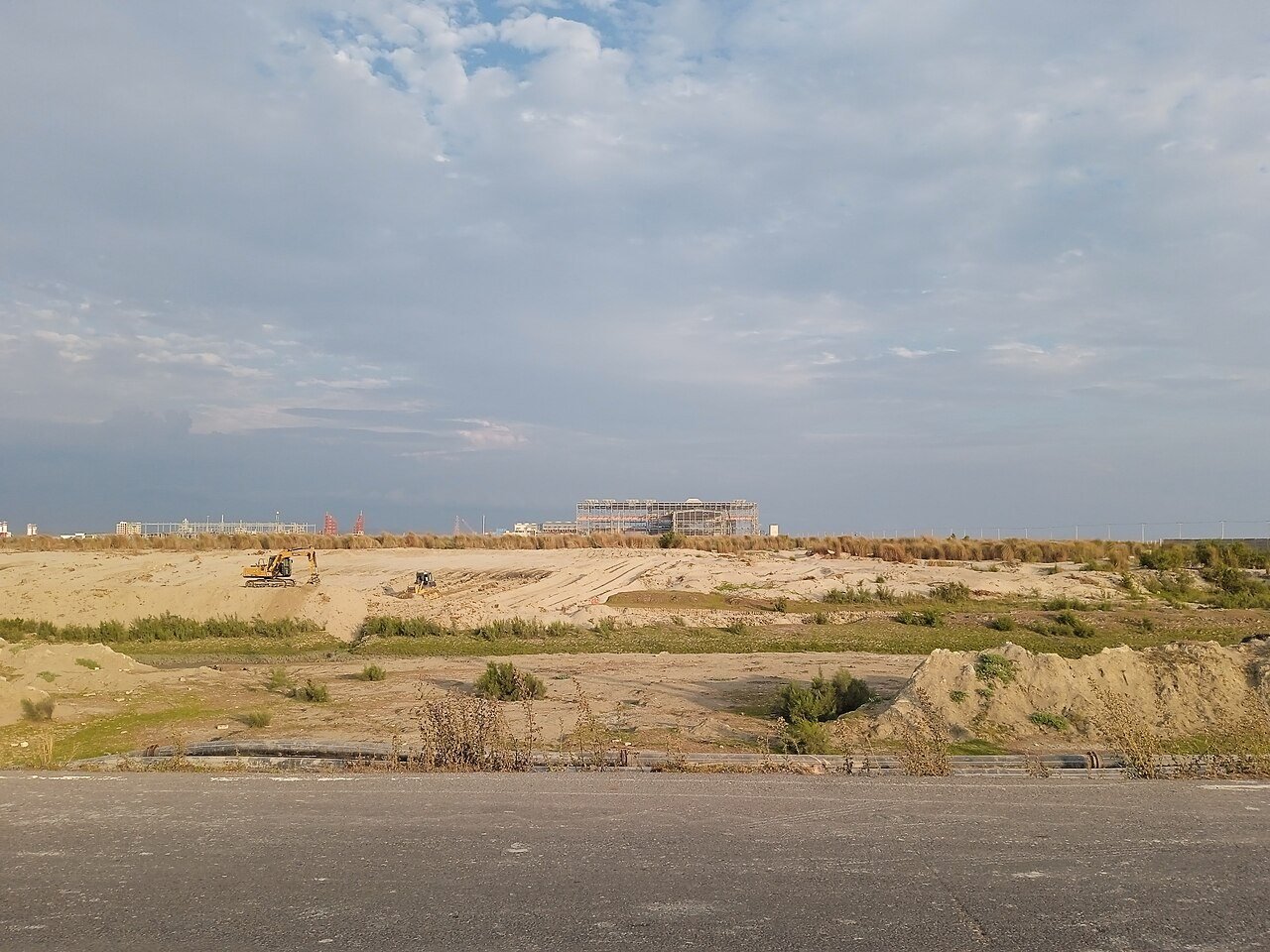
The Asian Development Bank (ADB) and Modern Syntex Limited (MSL) signed a $50 million loan on 29 September 2026 to expand the company's production of polyester chips, a raw material for synthetic yarn and fibre used across Bangladesh's textile and garment industry.
According to ADB, the money will finance the Modern Energy-Efficient Polyester Chips Manufacturing Project, which will raise MSL's capacity from 107 tonnes to 407 tonnes a day. Part of the loan will also refinance the company's short-term local working capital loans.
A local input for the garment sector
MSL is part of the Chattogram-based T.K. Group. It runs what ADB describes as Bangladesh's first continuous polymerisation plant, located in the Mirsarai Economic Zone in Chattogram, close to the port and major logistics routes. The company makes polyester chips, synthetic yarn and fibre, mainly for textile mills inside the country.
The expanded plant will make high intrinsic viscosity polyester chips, a grade used for higher-value textile and apparel products. Bangladeshi mills currently import much of this kind of synthetic input. ADB expects the project to increase the domestic supply of chips, cut reliance on imports, shorten lead times and make local textile makers more efficient.
ADB Country Director for Bangladesh Qingfeng Zhang said the textile and ready-made garment industry was a key driver of the economy but still relied heavily on imported synthetic inputs. He said long-term financing would help MSL expand efficient domestic production and strengthen supply chains.
Energy savings and new jobs
The project will bring in energy-efficient machinery. ADB estimates this will save about 4,840 megawatt-hours of electricity and avoid about 2,222 tonnes of carbon dioxide equivalent emissions each year. MSL will also seek LEED Platinum certification, the top rating of the Leadership in Energy and Environmental Design green building standard, for its building and factory.
The expansion is expected to create about 100 new jobs, with inclusive recruitment aimed at bringing more women into the workforce.
MSL Managing Director Abu Sufian Chowdhury said the support would allow the company to expand chip production significantly, strengthen local supply chains and reduce dependence on imported inputs. He said investing in energy-efficient technology would make the company more competitive while supporting a more sustainable textile industry.
For garment and textile factories around Dhaka and Narayanganj, close to Bikrampur, more locally made yarn inputs could mean shorter waits and steadier supplies than shipments from abroad.
Sources
More stories


